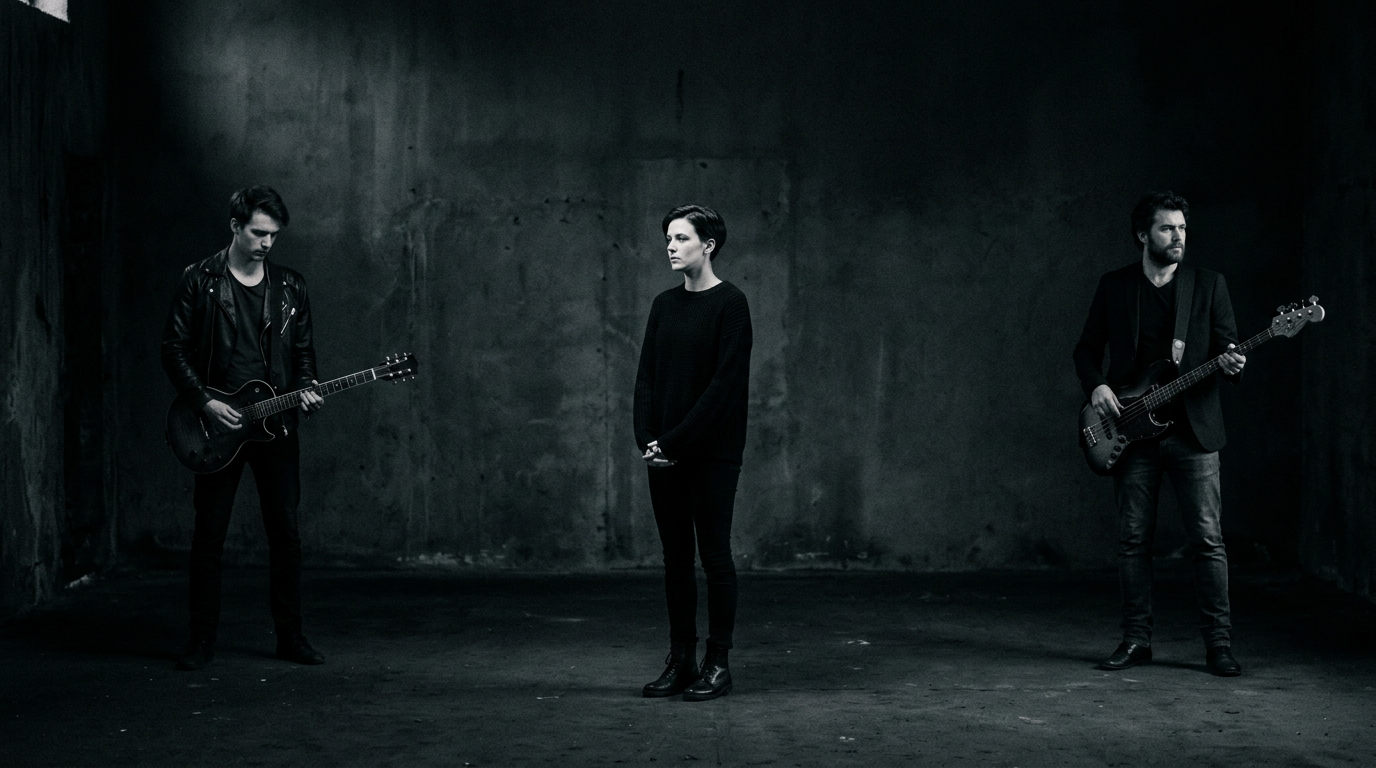
Aidan Moffat: I Can Hear Your Heart
In a unique collaboration with jazz pianist Bill Wells, Aidan Moffat has created a piece of music from the most intimate sound of all: the prenatal heartbeat of his unborn child. The result is a startlingly beautiful and profoundly personal work.
Aidan Moffat has built a career on a foundation of unflinching, often brutal honesty. From his time fronting Arab Strap to his solo work, he has never shied away from the messier aspects of life, love, and lust, articulated in his unmistakable Falkirk brogue. Yet, 'I Can Hear Your Heart' represents a new frontier of intimacy even for him. Created as a single, extended piece for a 2009 London performance, the work uses the recording of his son's in-utero heartbeat as its rhythmic foundation. It's a conceptual piece that could easily tip into sentimentality or self-indulgence, but in the hands of Moffat and his collaborator, the esteemed composer Bill Wells, it becomes something far more resonant.
The piece is a masterclass in atmosphere and subtlety. The steady, percussive thump of the fetal heartbeat provides the constant, anchoring rhythm, a biological metronome. Around this, Wells weaves a delicate, sparse tapestry of piano chords and ambient textures, creating a soundscape that is at once serene and filled with a quiet sense of anticipation. Over this, Moffat doesn't so much sing as narrate, his spoken-word monologue a meditation on impending fatherhood. He reflects on his own life, his hopes and fears for the future, and the awesome, terrifying responsibility of bringing a new life into the world, all with his characteristic blend of profane humour and profound vulnerability.
'I Can Hear Your Heart' is more than just a musical curiosity; it is a profoundly moving document of a universal human experience. It strips away the clichés of parenthood to get at something raw and true. Moffat and Wells have taken the most fundamental sound of life and used it to craft a piece of art that is both deeply personal and universally relatable. It’s a lullaby for the modern age, a testament to the fact that the most powerful rhythms are not found in a drum machine, but in the chambers of the human heart itself, waiting to be heard.